Believe it or not, a Christmas tree won't stay upright on its own. Instead, you need a stable Christmas tree stand that can accommodate the type and size of tree you have. We researched dozens of the best Christmas tree stands to help you find the right one for your needs, whether you have a real tree, an artificial tree, a small tree, or a behemoth. The stands in our guide have a track record of durability, performance, and easy setup. We also outline the size and type of tree each stand is meant for. Check out our guide to the best Christmas tree skirts once you've chosen the right stand for your tree. The best Christmas tree stands in 2022 Best Christmas tree stand overall: Krinner Tree Genie Christmas Tree Stand, available at Amazon, $82.79 The German-engineered Krinner Tree Genie Christmas Tree Stand is easy to set up in a couple of minutes and keeps trees up to 12 f...
Get link
Facebook
X
Pinterest
Email
Other Apps
The Right Way to Recork Wine (and Why It Matters)
Get link
Facebook
X
Pinterest
Email
Other Apps
Photo: iravgustin (Shutterstock)
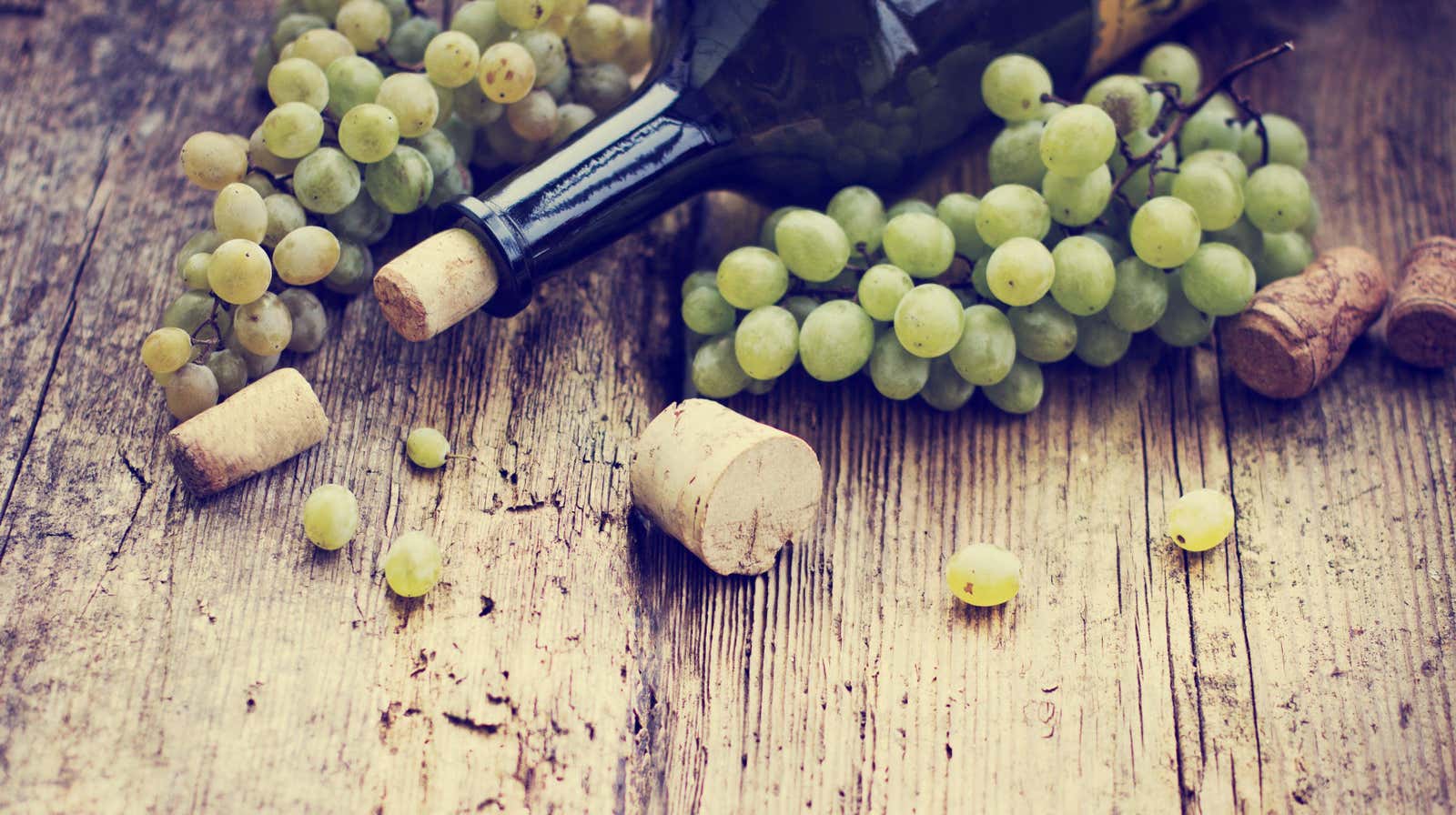
Whether you’re drinking or cooking with wine, you may not go through the entire bottle at one time. Sure, you could use a wine stopper to keep your wine fresh(ish) until you’re ready to finish it, but what if you don’t have one? As it turns out, there is a proper way to recork a bottle of wine. Here’s what to know.
How long does a bottle of wine last after it’s open?
Once a bottle of wine has been opened, if it is stored properly, it typically remains drinkable for between two and five more days, depending on the type of wine. Sparkling wine is a bit different: Though it will likely be flat by the next day, it can stay fresh enough to drink for up to three days, if recorked correctly.
How to recork wine
First, let’s start with what not to do. If you have any intention of drinking the leftover wine, don’t leave the bottle open. Even if you threw away the cork and don’t have a wine stopper, covering the top of the bottle with a piece of cling wrap or foil and securing it with a rubber band isn’t ideal, but is better than nothing.
And now, how to properly recork wine:
Inspect the cork
Before attempting to recork your wine, take a close look at the cork itself. Is is damaged? Are pieces falling off? Is it crumbling? Is there a hole that goes all the way through the cork from when it was opened?
If any of these things are true, then you shouldn’t attempt to reuse the cork—unless the damage is genuinely minimal, in which case you might be able to get away with wrapping it in wax paper. (More on that in a minute.)
Put the wine-covered side back in
If your cork is intact, resist the urge to put the “clean” side into the bottle of wine: That’s the side that’s been out into the world, and has come in contact with who-knows-what. You’re better off putting the wine-stained end of the cork into the bottle.
To reinsert the cork, put the bottle on a steady, sturdy surface, then angle the cork so the wine-stained end is in the bottle, and the clean end is resting on the lip. From there, press down on the cork while twisting it, until the cork is about halfway into the bottle.
Use wax paper
Even if you still have the original cork and it’s intact, it probably has expanded since you first removed it from the bottle, making it harder to get it back inside. But you can get around this—and help ensure that the cork continues to stay together—with a little wax paper.
Cut a piece of wax paper roughly the same length of the cork, and wide enough to wrap around it once (but no more). Next, put one end of the cork in the center of the piece of wax paper.
Place the bottle on a steady, sturdy surface, then insert the covered end of the cork. Gently push it down, using a rocking motion—don’t twist it, or the wax paper could wrinkle and tear—until the cork is about halfway into the bottle.
Put the bottle in the fridge
Once the bottle of wine is recorked, there are a few other things you can do to prevent the wine from oxidizing too quickly. First, store the bottle standing upright, in order to minimize the surface area of wine exposed to oxygen. Also, cooler temperatures help slow down the oxidation process, so your best bet is keeping the recorked bottle of wine in the refrigerator—yes, even if it’s red.
Believe it or not, a Christmas tree won't stay upright on its own. Instead, you need a stable Christmas tree stand that can accommodate the type and size of tree you have. We researched dozens of the best Christmas tree stands to help you find the right one for your needs, whether you have a real tree, an artificial tree, a small tree, or a behemoth. The stands in our guide have a track record of durability, performance, and easy setup. We also outline the size and type of tree each stand is meant for. Check out our guide to the best Christmas tree skirts once you've chosen the right stand for your tree. The best Christmas tree stands in 2022 Best Christmas tree stand overall: Krinner Tree Genie Christmas Tree Stand, available at Amazon, $82.79 The German-engineered Krinner Tree Genie Christmas Tree Stand is easy to set up in a couple of minutes and keeps trees up to 12 f...
Stored procedures: like functions for your SQL. A stored procedure is a batch of SQL statements created and stored on a database. You can reuse a stored procedure over and over again. A stored procedure can accept parameters, run a query, and return results. Many users can call a stored procedure and different applications can call it with different parameter values. What Are the Benefits of Using Stored Procedures? Apart from allowing multiple users and applications to reuse it, a stored procedure has other benefits. It is easy to modify. You can change a stored procedure when necessary and these updates will be reflected for all users. Furthermore, you don’t need to redeploy your application when you modify the stored procedure. It reduces network traffic because the server only passes the procedure’s name over the network and not the entire query. It improves database security since users don’t have direct access to tables. To make...
I recently watched “ the greatest film of all time ,” and the most boring one. In retrospect, the title alone should have been a sufficient warning: Jeanne Dielman, 23 Quai du Commerce, 1080 Bruxelles . Alas, I’m old enough to be a bit nostalgic about massive telephone address books. And massive it is. Clocking over 200 minutes, Chantal Akerman's 1975 dreary drama follows three days in the monotonous routine of Jeanne, a widow, a mother, and a prostitute. I watched Jeanne’s autopilot existence, until, staring at her back as she washes dishes, I decided to fast-forward a couple of minutes, only to discover she was still at it. And Jeanne is equally thorough when she’s busy baking, cleaning, folding laundry, or shining her son’s shoes. She speaks so scarcely and mechanically, that it’s impossible to detect any emotion or volition beyond her carefully controlled chores . Watching Jeanne Dielman is what the word “painstaking” was invented for. Chantal...




Comments
Post a Comment