Believe it or not, a Christmas tree won't stay upright on its own. Instead, you need a stable Christmas tree stand that can accommodate the type and size of tree you have. We researched dozens of the best Christmas tree stands to help you find the right one for your needs, whether you have a real tree, an artificial tree, a small tree, or a behemoth. The stands in our guide have a track record of durability, performance, and easy setup. We also outline the size and type of tree each stand is meant for. Check out our guide to the best Christmas tree skirts once you've chosen the right stand for your tree. The best Christmas tree stands in 2022 Best Christmas tree stand overall: Krinner Tree Genie Christmas Tree Stand, available at Amazon, $82.79 The German-engineered Krinner Tree Genie Christmas Tree Stand is easy to set up in a couple of minutes and keeps trees up to 12 f...
Get link
Facebook
X
Pinterest
Email
Other Apps
Don’t Return the Money Someone ‘Accidentally’ Sends You on Venmo
Get link
Facebook
X
Pinterest
Email
Other Apps
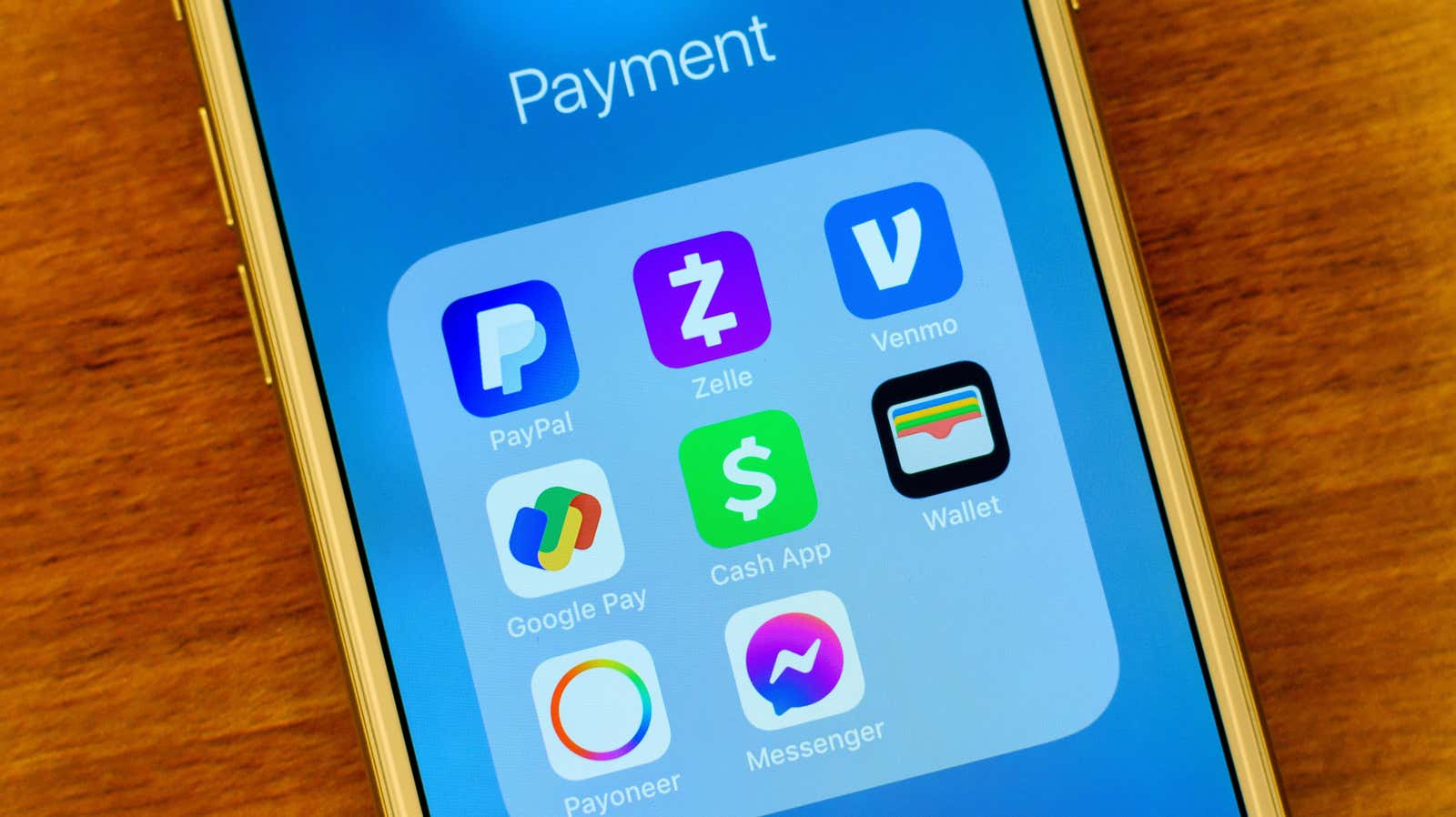
Photo: Michael Vi (Shutterstock)
Venmo is an easy way to send money back and forth to friends, family, and the guy who runs the office fantasy football league. But what if you received a Venmo notification that says you’d received money from someone you don’t know and that you weren’t expecting? Chances are, it’s not an accident or a stroke of luck: It’s a scam.
The practice of sending money by “accident”—and then asking for it back in apologetic and somewhat frantic tones—is a scam that has been making the rounds not just on Venmo, but other similar pay-apps like Zelle, PayPal, or Apple Pay. It’s a scam that preys on people’s kindness and gullibility.
How does the scam of sending money by “accident” work?
According to the Better Business Bureau (BBB), scammers buy stolen credit cards from the dark web and connect them to their payment app of choice. Then, they start sending random people money by “accident” and proceed to message them asking for the money back, saying it was sent by mistake. The scammers change out the stolen credit cards from the payment apps and connect their own personal cards instead, and wait for the victims to send them “clean” (non-stolen) money back.
If you are part of the group who sent money back, you didn’t actually send them the same, say, $500 from the stolen credit cards back to them. The money you’re sending is from your account. Eventually, the payment apps will catch on to the stolen credit card fraud because the original owners of the cards from the dark web will report their cards stolen—and those are backed by their bank. The stolen funds will eventually be removed from your account (because that’s where it ended up), leaving you $500 poorer and the scammer $500 richer.
Unlike credit cards, many digital payment apps do not shoulder the responsibility of fraud. That responsibility is left to you. According to a report from the Los Angeles Times, most of this fraudulent process is automated, so scammers make a lot of money with very little effort.
What should you do and not do if someone sends you money by “accident”?
Never send money back to anyone you don’t know on any payment app, unless it’s a friend or family member you know or your payment app offers fraudulent security like PayPal Goods and Services. If someone really did send you money by mistake, they can contact the payment app and dispute it. But leave the money in question in your account with the expectation that it will be removed eventually. You don’t need to worry about your account being hacked or vulnerable just because someone sent you or requested money from you. What you can do is contact your payment app’s support team, and they should be able to reverse the payment sent to you without risk of being scammed.
Use money transfer with friends: Protect yourself from scams by only using money transfer apps for their intended purpose—sending money to people you personally know.
If someone sends you money by mistake, ask them to cancel the transaction: The sender can request that the vendor cancel the transaction. If the person refuses, it’s probably a scam.
Enable additional security settings: Check your account settings to see if you can turn on additional security measures, such as multi-factor authentication, requiring a PIN, or using fingerprint recognition.
Link your money transfer app to a credit card. As with many other purchases, using a credit card will help protect you if you don’t get the goods or services you paid for. Linking to a debit card or directly to your bank account does not give you that added protection.
What should you do if you sent money back to a scammer?
If you sent money to a scammer, there is almost no way to get it back, unless you had your credit card connected to your payment app. In that case, you can contact your bank and let them know there was a fraudulent transaction, and they should be able to help you.
I recently watched “ the greatest film of all time ,” and the most boring one. In retrospect, the title alone should have been a sufficient warning: Jeanne Dielman, 23 Quai du Commerce, 1080 Bruxelles . Alas, I’m old enough to be a bit nostalgic about massive telephone address books. And massive it is. Clocking over 200 minutes, Chantal Akerman's 1975 dreary drama follows three days in the monotonous routine of Jeanne, a widow, a mother, and a prostitute. I watched Jeanne’s autopilot existence, until, staring at her back as she washes dishes, I decided to fast-forward a couple of minutes, only to discover she was still at it. And Jeanne is equally thorough when she’s busy baking, cleaning, folding laundry, or shining her son’s shoes. She speaks so scarcely and mechanically, that it’s impossible to detect any emotion or volition beyond her carefully controlled chores . Watching Jeanne Dielman is what the word “painstaking” was invented for. Chantal...
Stored procedures: like functions for your SQL. A stored procedure is a batch of SQL statements created and stored on a database. You can reuse a stored procedure over and over again. A stored procedure can accept parameters, run a query, and return results. Many users can call a stored procedure and different applications can call it with different parameter values. What Are the Benefits of Using Stored Procedures? Apart from allowing multiple users and applications to reuse it, a stored procedure has other benefits. It is easy to modify. You can change a stored procedure when necessary and these updates will be reflected for all users. Furthermore, you don’t need to redeploy your application when you modify the stored procedure. It reduces network traffic because the server only passes the procedure’s name over the network and not the entire query. It improves database security since users don’t have direct access to tables. To make...
Believe it or not, a Christmas tree won't stay upright on its own. Instead, you need a stable Christmas tree stand that can accommodate the type and size of tree you have. We researched dozens of the best Christmas tree stands to help you find the right one for your needs, whether you have a real tree, an artificial tree, a small tree, or a behemoth. The stands in our guide have a track record of durability, performance, and easy setup. We also outline the size and type of tree each stand is meant for. Check out our guide to the best Christmas tree skirts once you've chosen the right stand for your tree. The best Christmas tree stands in 2022 Best Christmas tree stand overall: Krinner Tree Genie Christmas Tree Stand, available at Amazon, $82.79 The German-engineered Krinner Tree Genie Christmas Tree Stand is easy to set up in a couple of minutes and keeps trees up to 12 f...




Comments
Post a Comment